
Practical Responsible Gambling Tools for Online Casino Play
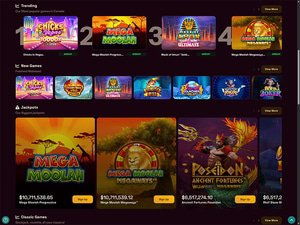
Responsible gambling is easier when limits are decided before entertainment turns into an impulse. For Canadian adults considering grizzlys quest casino, the most useful question is not which game is most popular, but which controls can help keep play affordable, time-limited and voluntary. The available information describes deposit limits, session reminders, self-assessment material and self-exclusion, although access and eligibility can depend on province, account status and the operator’s current terms. Understanding what each tool does helps players choose safeguards that fit their circumstances.
Start with a budget that has a clear purpose
A gambling budget should be treated as an entertainment expense, not as a financial plan. Decide on an amount that can be lost without affecting rent, food, debt payments, savings or other obligations. It is useful to choose both a session amount and a broader weekly or monthly amount, because a single deposit can otherwise become the measure of affordability. Once the money is gone, the session should end rather than expand through another deposit.
Deposit limits are most effective when they are set before playing. The available account information describes daily, weekly and monthly limit settings in the banking or account area. These periods serve different purposes: a daily limit can control one evening, while a weekly or monthly limit can reduce the risk of repeated top-ups. Check whether a change takes effect immediately or after a cooling-off period, and do not assume that a limit applies across other gambling accounts.
Separate gambling money from essential funds wherever possible. Avoid using credit intended for bills, borrowing from friends or treating future income as available play money. A written budget, banking notification or calendar reminder can make the boundary more visible. If a limit feels difficult to respect, that is valuable information rather than a reason to raise it. Reduce access, pause play and seek support instead of trying to recover losses through larger wagers.
Use time controls before a session becomes tiring
Money is only one part of safer play. Long or repetitive sessions can make decisions less deliberate, particularly when a player is tired, upset or focused on recovering an earlier loss. Session reminders can interrupt that pattern by showing how long play has continued. When a reminder appears, leave the gambling screen and assess your mood, remaining budget and original reason for playing.
A practical routine is to choose an end time before opening a game and set an alarm on a separate device. Plan an activity immediately afterwards, such as preparing a meal, meeting someone or going for a walk. This creates a natural stopping point instead of relying on a final spin or hand. Breaks should not be used to justify continuing indefinitely; they are most useful when they help you decide whether the session should end.
Game design can make time feel less noticeable. Slots, live tables and game-show formats may move quickly, while autoplay or repeated betting can reduce the number of conscious decisions. Avoid playing when drinking alcohol, feeling distressed or trying to escape a problem. If you regularly lose track of time, disable optional convenience features where possible and consider a longer break or self-exclusion rather than relying only on reminders.
Recognize when self-assessment is worth doing
Self-assessment tools are not diagnoses, and a result does not label someone permanently. They are prompts for examining behaviour that may otherwise be minimized. Questions commonly focus on chasing losses, hiding play, spending more than intended, feeling restless when trying to stop, or allowing gambling to interfere with work and relationships. Answering honestly is more useful than choosing the response that feels reassuring.
Warning signs can appear even when a person is still paying bills and has not experienced a major financial loss. Repeatedly checking balances, thinking about gambling during work, cancelling plans to play, or making deposits after deciding to stop can indicate that control is weakening. Promotions and loyalty rewards should not be considered evidence that continued play is affordable. They are features of an entertainment environment, not protection against harm.
For neutral information about gambling-related harm and support, consult CAMH information on gambling. A self-assessment can be followed by a concrete action: lower a deposit limit, remove saved payment details, tell a trusted person or contact a qualified support service. Acting early usually offers more choices than waiting until debt, conflict or secrecy has become entrenched.
Choose a pause that matches the risk

A temporary pause can be appropriate when gambling has become distracting but the person still feels able to stop. During a pause, remove shortcuts, sign out, avoid gambling advertising and make a plan for evenings or other times usually spent playing. A pause works best when it has a defined duration and a reason, such as reassessing finances, restoring sleep or discussing concerns with someone trusted.
Self-exclusion is a stronger boundary for people who need gambling access to stop for a specified period or longer. The available information indicates that self-exclusion is offered, while some requests may require contact with support. Before activating it, read the stated process carefully, including its duration, affected products and any conditions for ending or changing the restriction. Do not assume that one operator’s exclusion automatically covers every gambling service.
Ask support to explain any account-control option you do not understand, including whether pending promotions, balances or verification matters affect the process. Keep a record of the request and its date. If you are in immediate financial or emotional danger, prioritize personal safety and contact a local crisis or support service. Gambling controls are useful safeguards, but they are not a substitute for professional help when harm is already serious.
Review controls instead of chasing losses
Popular casino games in Canada can differ in pace, complexity and how quickly money is committed, but no category removes gambling risk. Slots may allow rapid repeated wagers; live games can create a social atmosphere; table games may encourage the belief that skill can reverse a loss. In every case, the outcome remains uncertain, and a previous result does not improve the odds of the next round.

Never increase stakes to recover money already lost. This changes a defined entertainment expense into an open-ended attempt to reach an emotionally chosen target. Keep a simple record of deposits, withdrawals, time spent and feelings before and after play. Reviewing that record during a calm period can reveal patterns that are hard to see while a session is underway, especially when wins temporarily hide the overall cost.
Check responsible-gambling settings periodically, particularly after a change in income, housing, health or family responsibilities. A limit that seemed affordable months ago may no longer be suitable. Also confirm the current provincial eligibility and account terms rather than relying on general Canadian assumptions. If the available controls do not feel strong enough, stop using the account and seek independent advice rather than attempting to manage escalating play through willpower alone.
Frequently asked questions about gambling controls
What is the most useful first responsible-gambling setting?
A deposit limit is often a practical first step because it places a boundary on money entering the account. Choose an amount based on disposable entertainment funds, not expected winnings. Add a time reminder as well, since financial limits alone do not prevent long sessions or repeated attempts to recover losses.
Are session reminders enough to prevent gambling harm?
No. Reminders can interrupt play, but they depend on a person responding to them. If you routinely dismiss reminders, exceed planned sessions or gamble when distressed, use stronger measures such as a longer break, lower deposit limits or self-exclusion. Support from a trusted person or professional may also be appropriate.
Does self-exclusion cover every Canadian gambling account?
Not necessarily. Self-exclusion arrangements can depend on the operator, product and province. Read the specific terms and ask support what the restriction covers before relying on it. If you use several services, investigate controls for each one and avoid opening another account to bypass an exclusion.